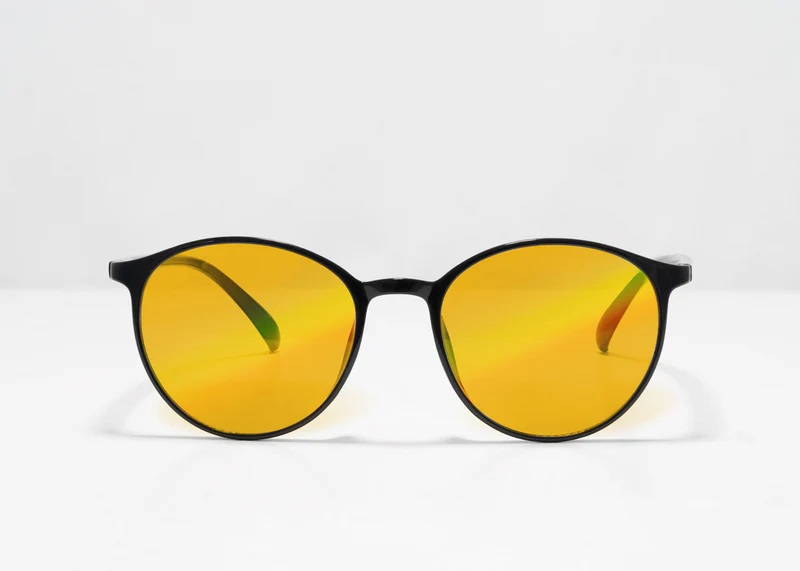
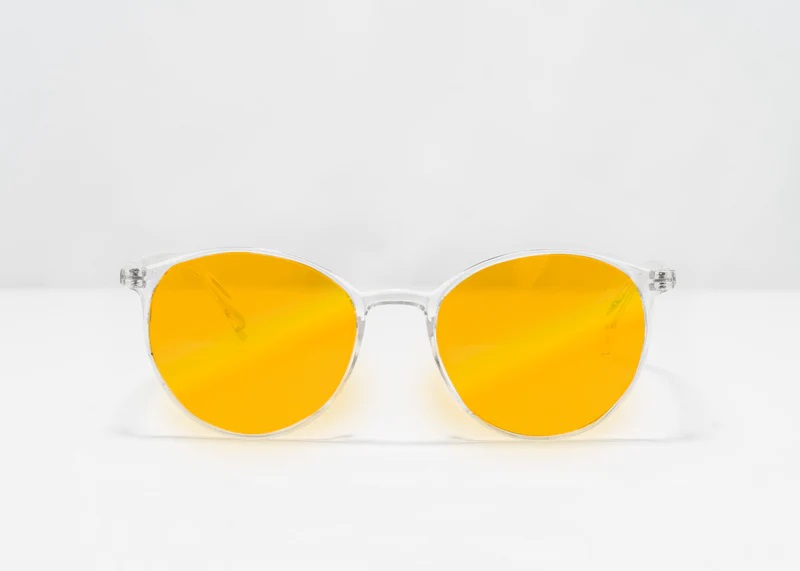
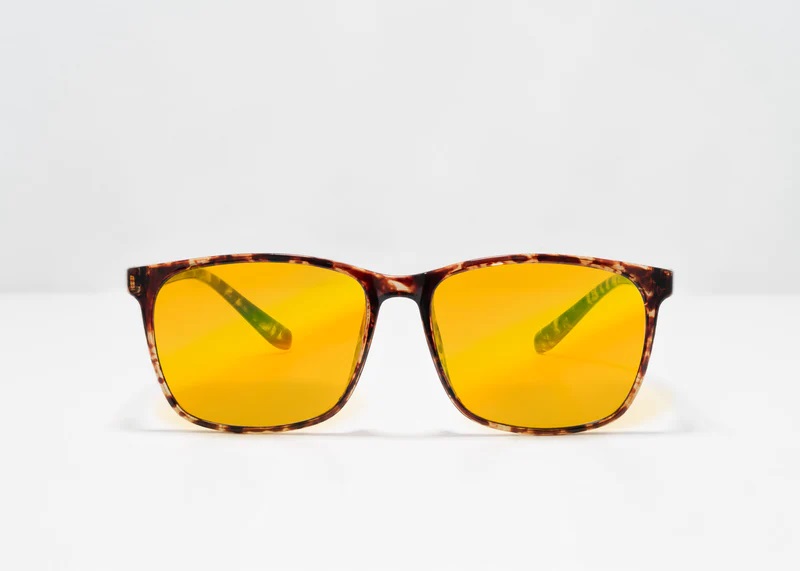
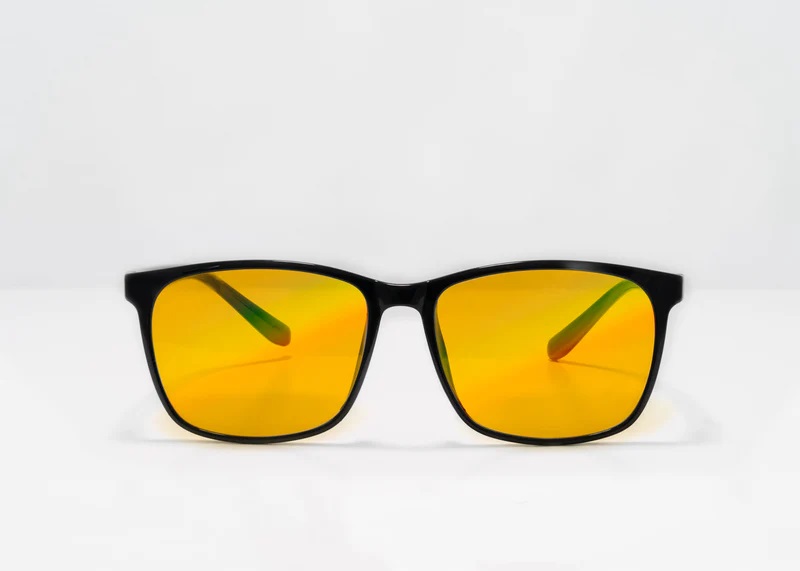









Glasses for the Digital Blue Light Era
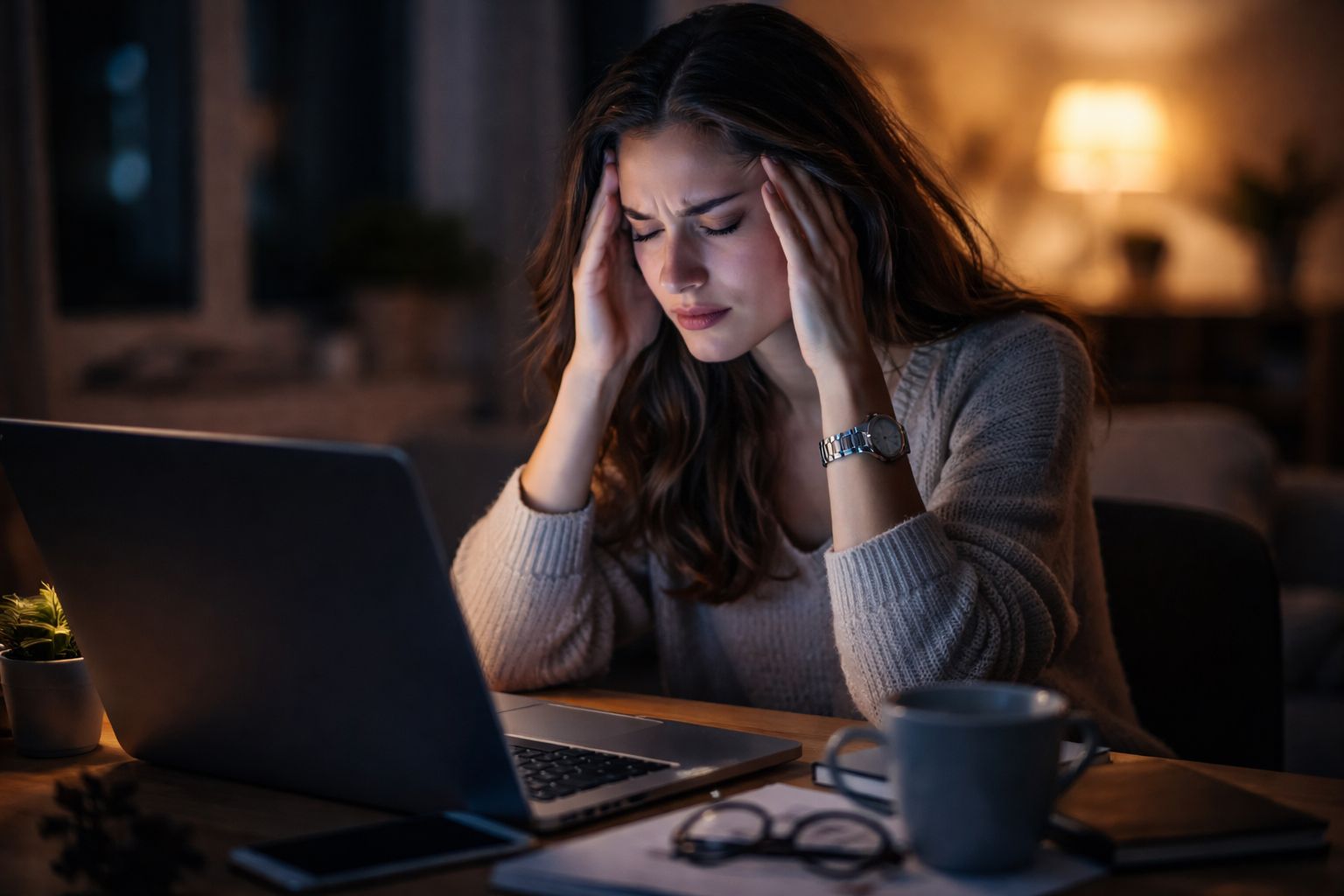 Protecting our eyes is more important today than ever before. With the growing use of smartphones, tablets, computers and modern LED light sources, our eyes are exposed daily to high levels of blue-enriched light.
This constant sensory strain can have noticeable long-term effects on wellbeing and health — ranging from dry, irritated or tired eyes, headaches and difficulty concentrating, to sleep disturbances caused by disrupted melatonin production. In some cases, even a potential impact on the retina is being discussed.
Children’s eyes are particularly sensitive: as the lens of a child’s eye is clearer than that of an adult, a greater amount of blue light can penetrate into the interior of the eye. At the same time, many children today spend regular periods in front of screens from a very young age — often for many hours each week. This makes it all the more important to ensure effective protection at an early stage.
Why Today’s Light Is Different
Modern screens and LED light sources emit a comparatively high proportion of short-wavelength blue light. What is often missing, however, is the balancing spectrum found in nature — particularly the regenerative component in the near-infrared range. As a result, the quality of artificial light differs significantly from natural daylight and, over time, may place strain on both the eyes and the body.
Why Many “Blue Light Glasses” Offer Little Protection
Many commercially available spectacle lenses — especially clear lenses — reduce blue light only to a very limited extent. In optics, there is an important principle:
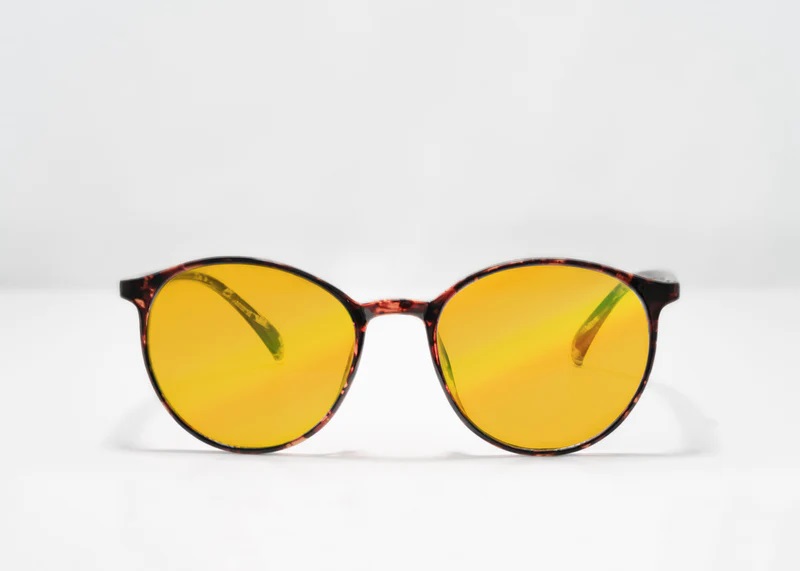
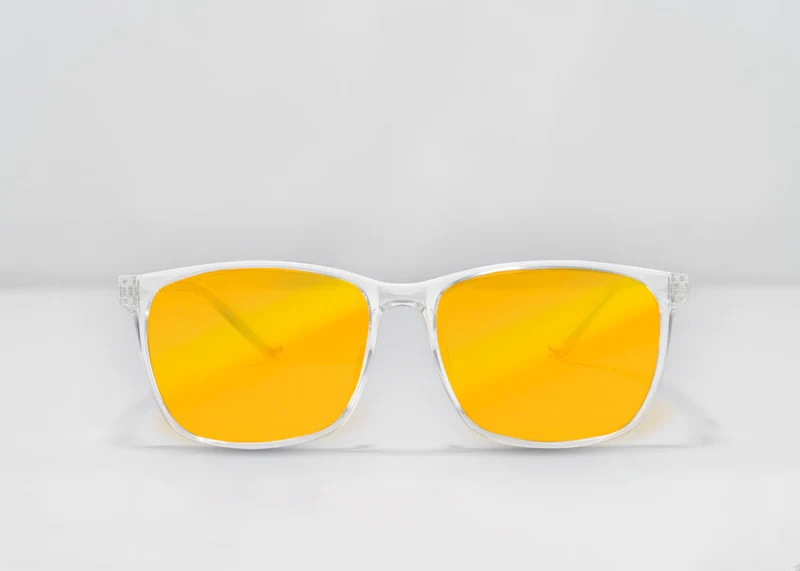
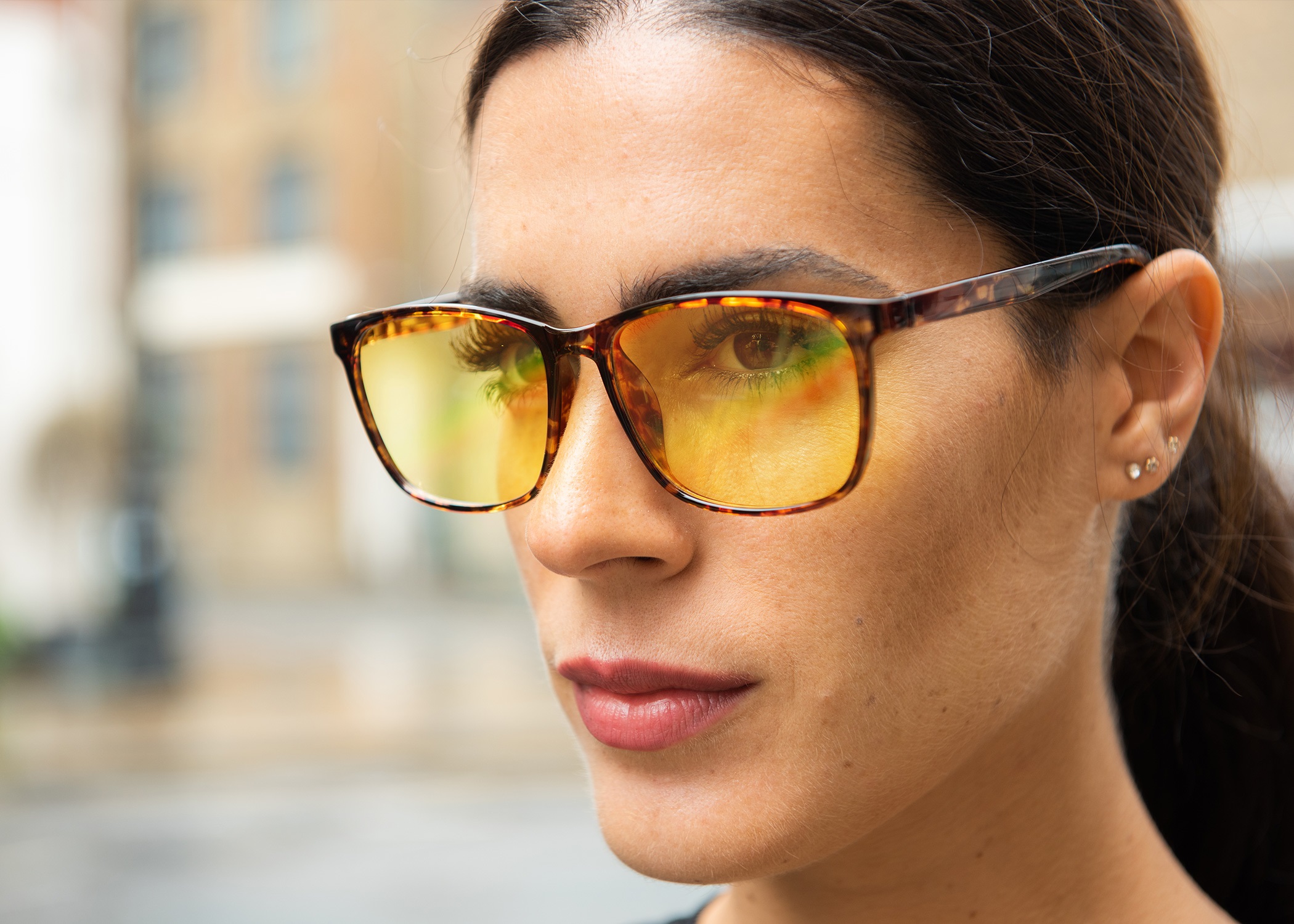
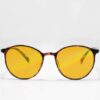
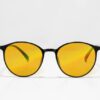
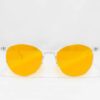
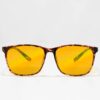
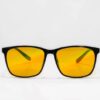
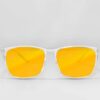
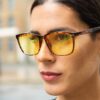
If a lens does not appear slightly yellowish, it will generally filter only minimal amounts of blue light.
At the same time, a yellowish tint alone does not automatically guarantee sufficient protection. Not every tinted lens filters the specific blue wavelengths that may be particularly relevant to the eyes and retina. What matters is not only whether filtering occurs, but how precisely and within which wavelength range it takes place.
Blue Light-Reducing Lenses for Doctors and Nursing Staff on Night Shifts
 Reducing stressful artificial lighting in hospitals can help improve the wellbeing of doctors and nursing staff, particularly during night shifts. Blue light-reducing lenses help to minimise disruptive blue light emitted by artificial lighting, reduce glare and improve visual comfort. At the same time, they may support the body’s natural day-night rhythm, which can have a positive effect on concentration and sleep quality.
Computer & Screen Work (Office / Home Working)
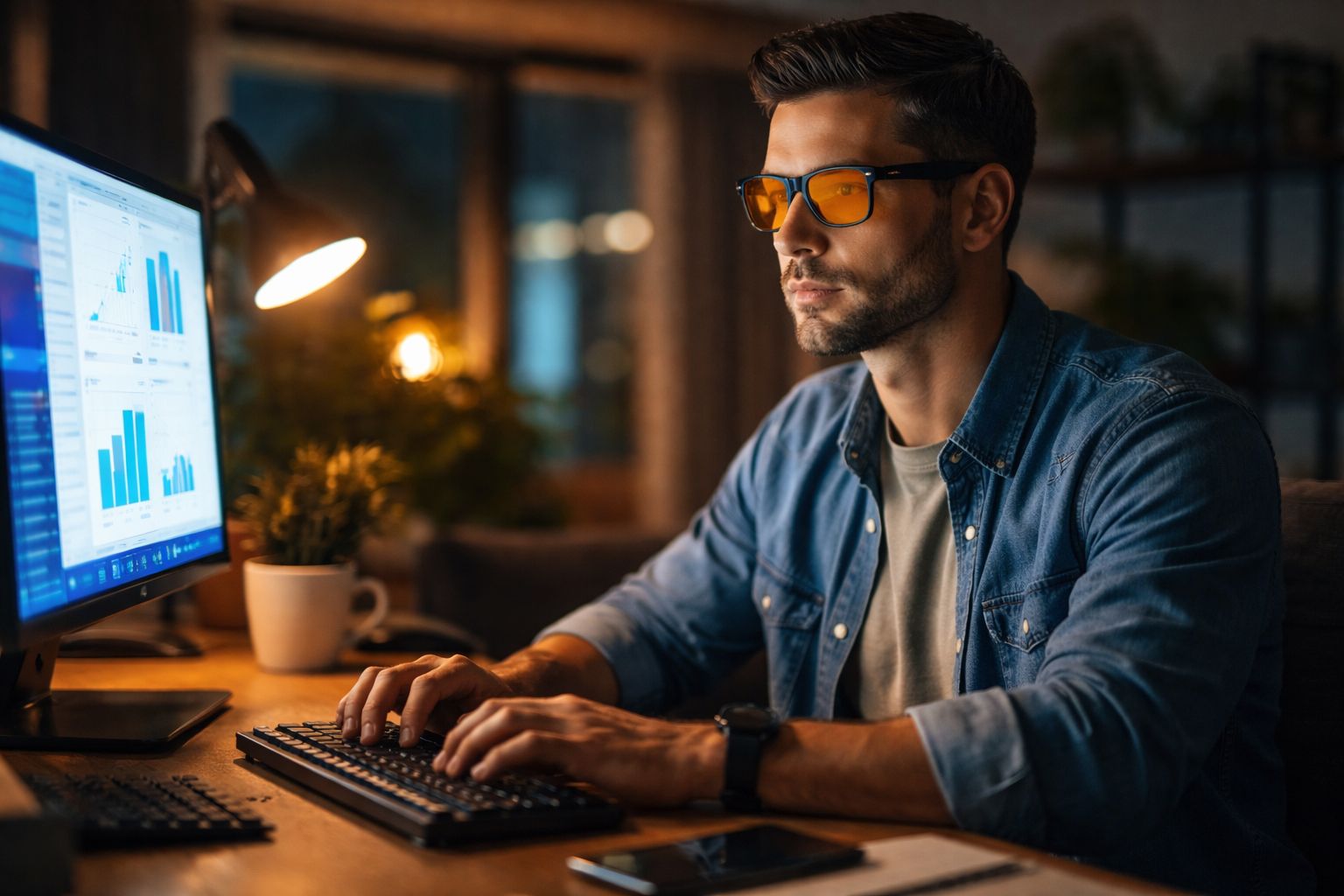 Anyone who spends several hours a day working on a computer knows the feeling of tired eyes, dry vision and declining concentration. Modern monitors often emit a high proportion of blue light, while continuous focusing at close range places additional strain on the eyes. Anti-blue light spectacle lenses can help reduce disruptive light exposure, noticeably ease eye strain and improve visual comfort. This can make prolonged screen work more comfortable and help maintain concentration for longer periods.
Children & Tablets (School, Learning, Leisure)
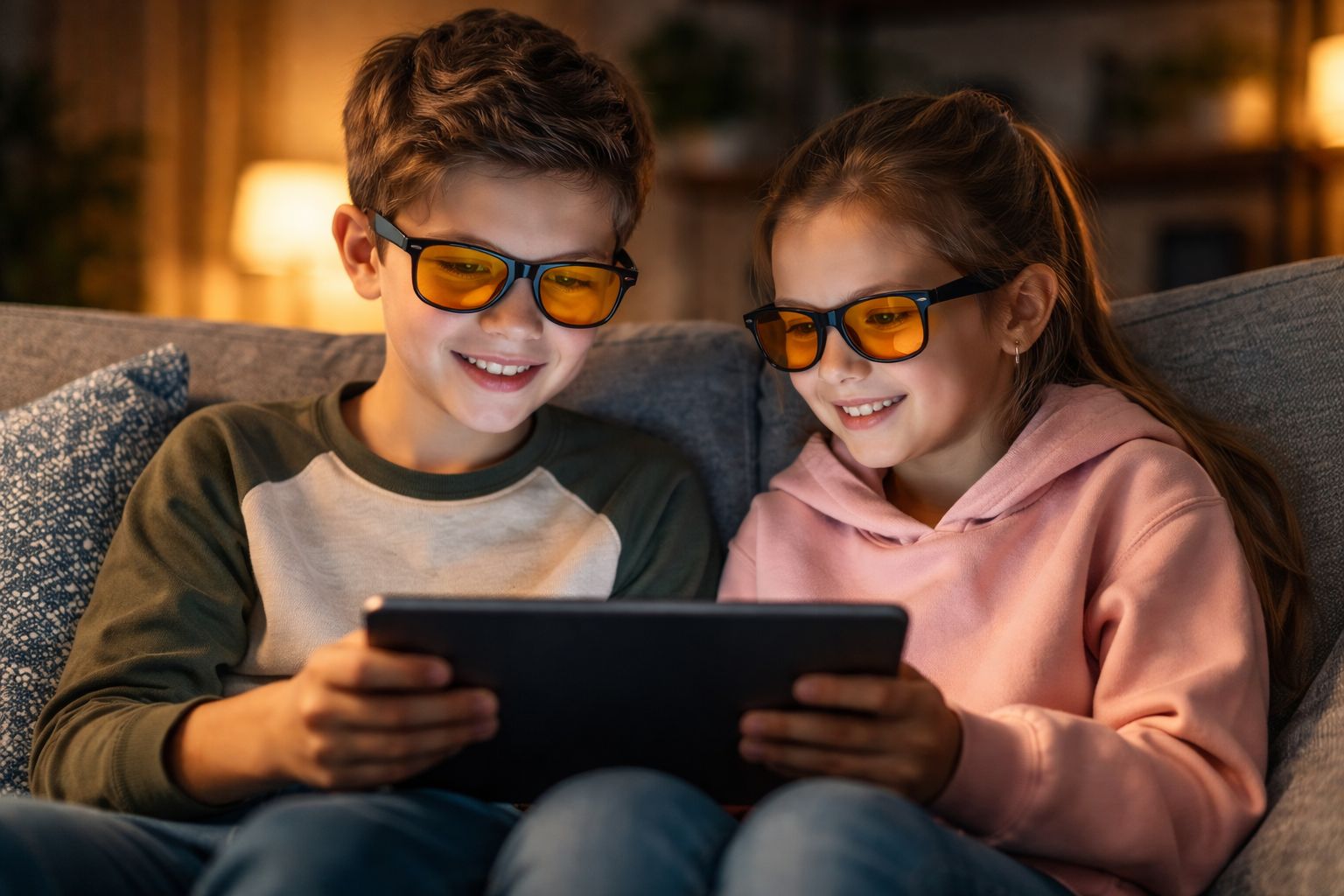 Children’s eyes are particularly sensitive because the eye lens is still very clear, allowing more blue light to reach the retina. At the same time, many children are exposed to tablets, smartphones and screens from an early age and often for extended periods. This can place strain on the eyes and may affect the body’s natural relaxation and sleep rhythm, especially in the evening. Blue light protection can help relieve visual strain at a young age and support visual wellbeing. In particular, during screen use in the late afternoon or evening, it may help children relax more easily.
PlayStation & Screen Gaming (TV / Console / PC)
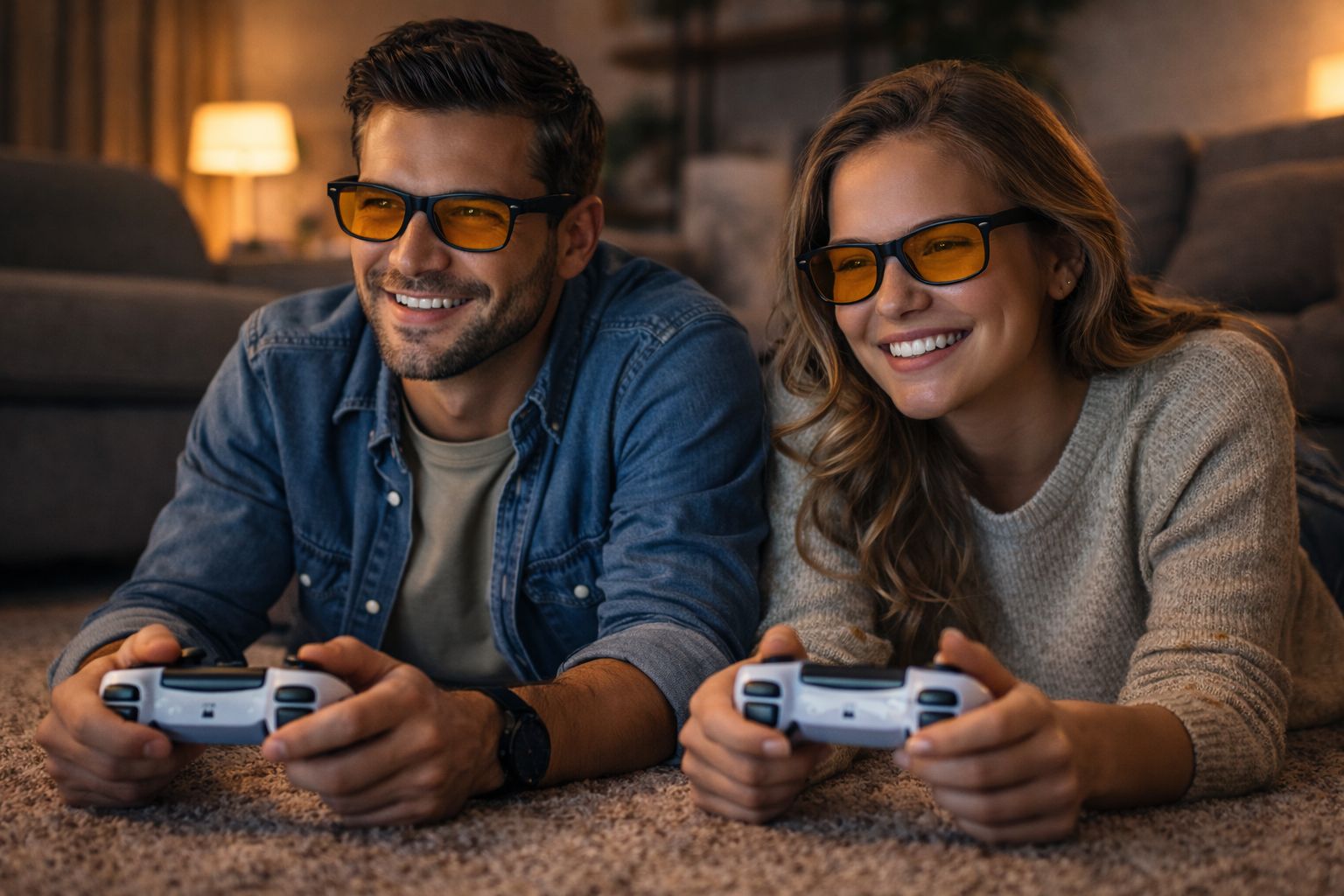 Gaming often involves many hours of screen time, rapid image changes, strong contrasts and intense colours. As a result, the eyes and nervous system are placed under far greater strain than during normal television viewing. Many gamers experience symptoms such as tired eyes, dry vision and reduced concentration after long gaming sessions. Blue light-filtering lenses can help reduce visual stress, minimise disruptive light exposure and improve visual comfort. This can make extended gaming sessions more comfortable and help prevent the eyes from tiring as quickly.
Night Driving & LED Headlights (Glare / Oncoming Traffic)
 Modern LED headlights are often extremely bright and produce a cool white light with a higher proportion of blue light. Many people perceive this light at night as harsher and more uncomfortable than the warmer light produced by older halogen lamps. In rain or on wet roads, glare can become even more intense because the light is reflected and scattered more strongly. This may cause the eyes to tire more quickly and make night driving more demanding.
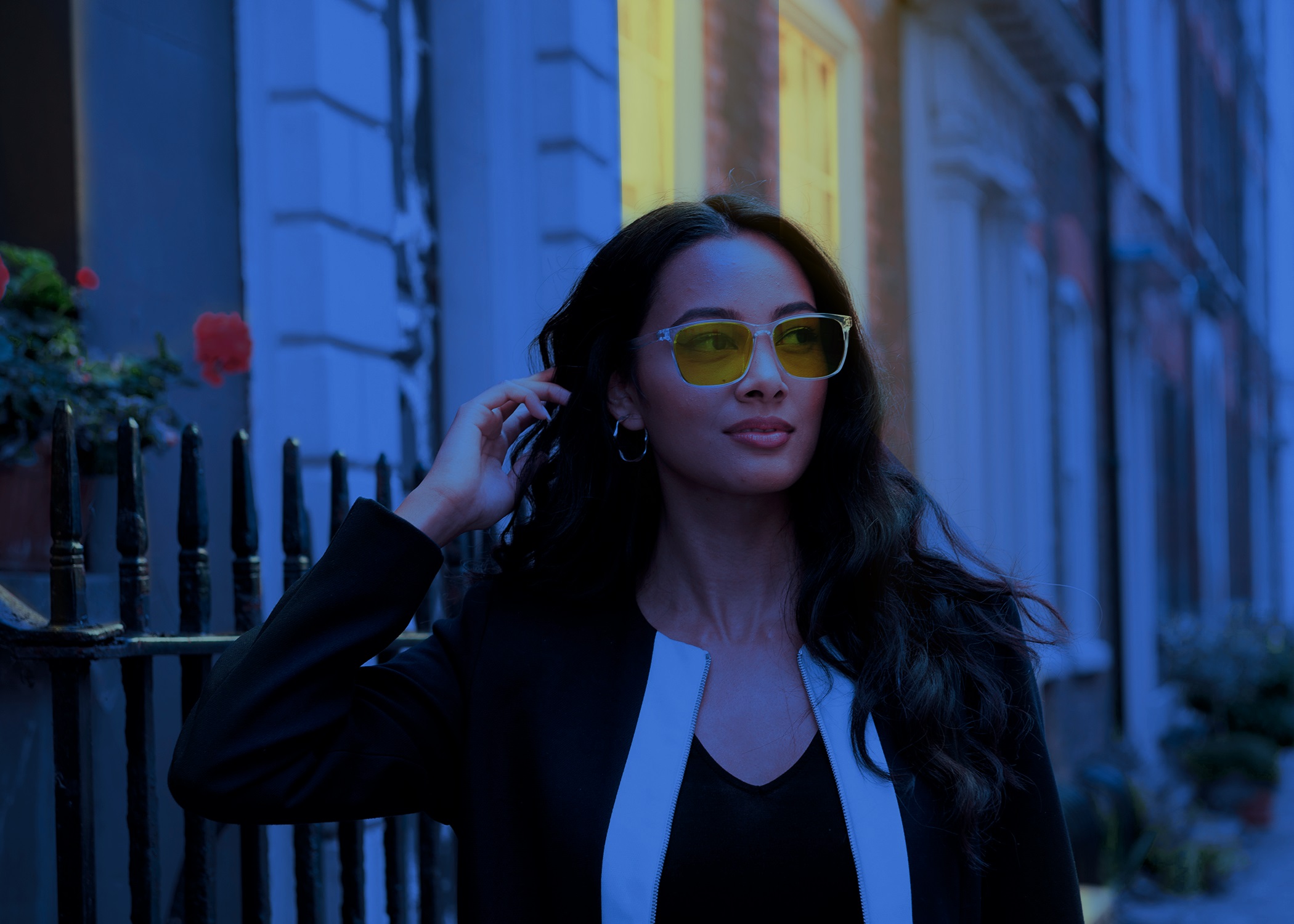
The increased blue light content can also heighten sensitivity to glare and may influence the body’s natural sleep-wake rhythm during prolonged night-time exposure. Blue light-reducing lenses can help lessen subjective glare, improve visual comfort and reduce disruptive short-wavelength blue light. This may help relieve eye strain during night driving and reduce visual fatigue. At the same time, lowering blue light exposure may support the body’s internal clock, particularly during longer journeys at night.